atanatomy.weebly.com

Book III: Cell Division to Human Movement

Home

Book III begins with the exploration of the nervous, skeletal, and, to some extent, muscular systems.  With this understanding, the volume then moves into the growth of life, from cell division and segmentation through the complete nervous system which enables movement.  Movement, in turn, is examined in terms of the interrelation of the trunk, shoulder girdle, pelvis, and lower limbs, before culminating in the fetal spiral and upright posture.

View Book III as Slide Show

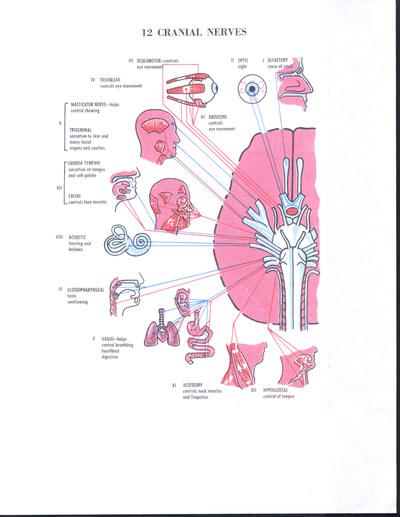
III.1 Cranial nerves, overview
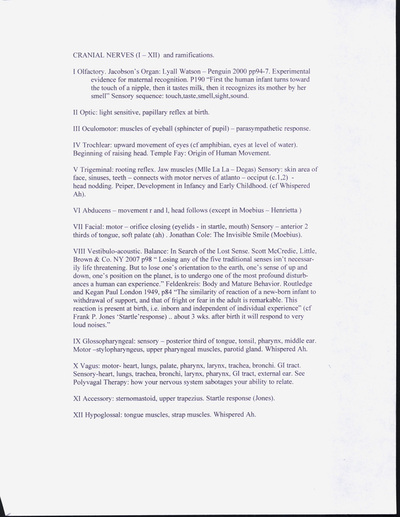
III.2 Ramifications of the cranial nerves (Murray)
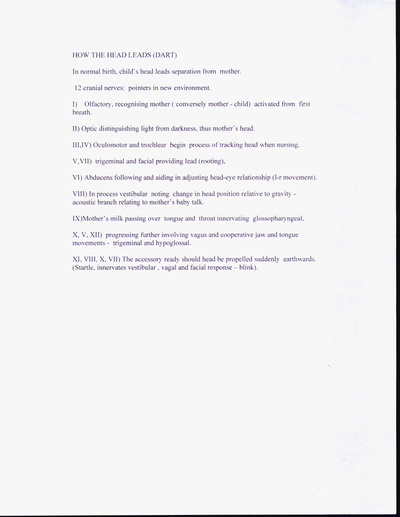
III.3 How the head leads (Dart)
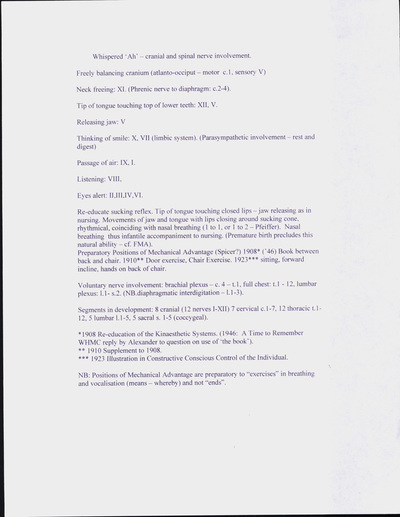
III.4 Whispered ah - cranial and spinal nerve involvement (Murray)
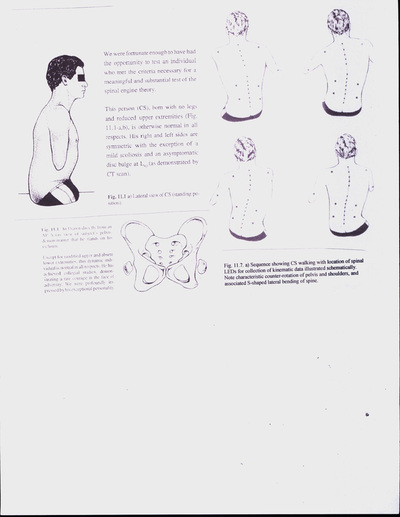
III.5 Spinal Engine Theory (Gracovetsky)
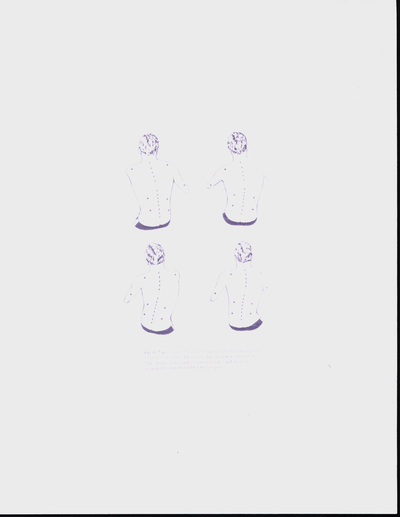
III.6 Spinal Engine Theory: pelvis/shoulder counter rotation (Gracovetsky)
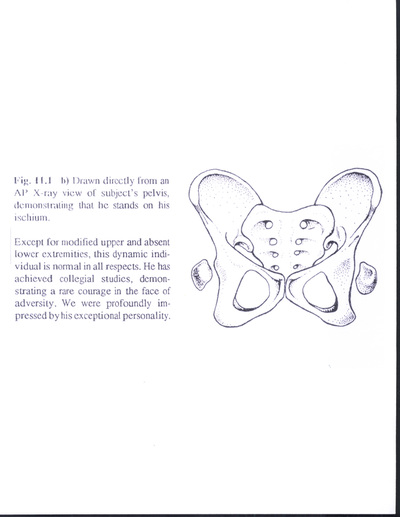
III.7 Spinal Engine Theory: pelvis (Gracovetsky)
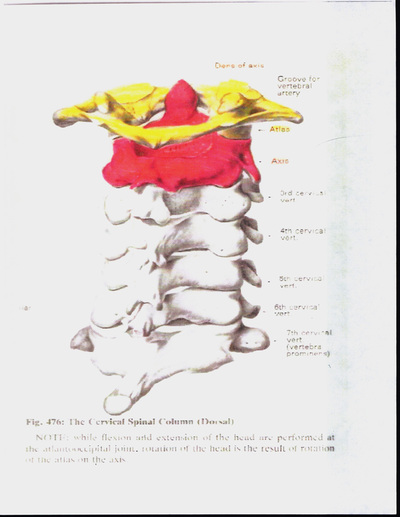
III.8 Cervical spinal column
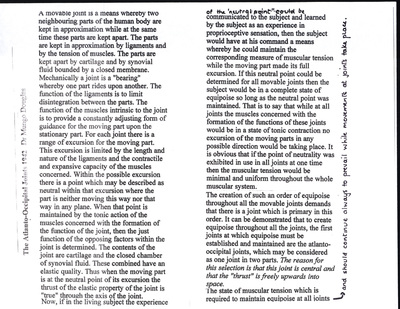
III.9 Atlanto-occipital joints p1 (Douglas)
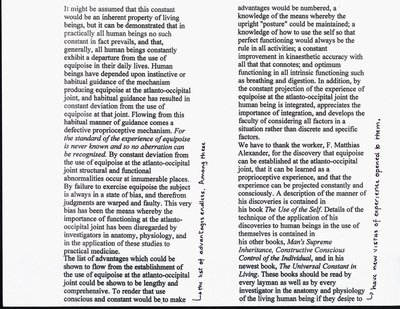
III.10 Atlanto-occipital joints p2 (Douglas)
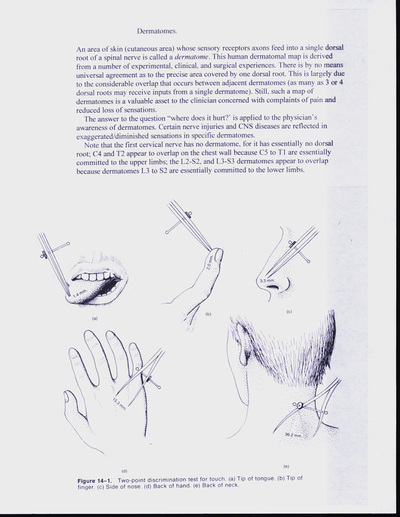
III.11 Nerves: skin sensory receptors
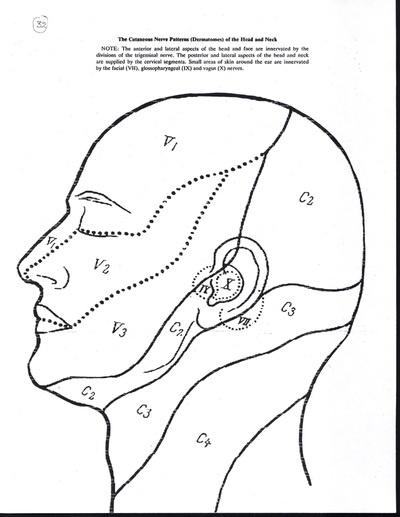
III.12 Dermatomes: cutaneous nerve patterns of head and neck
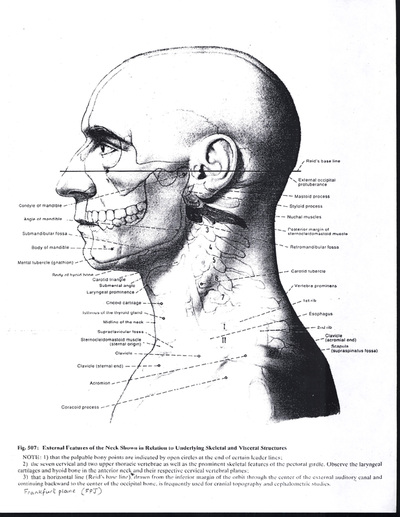
III.13 Neck: external features in relation to underlying structures
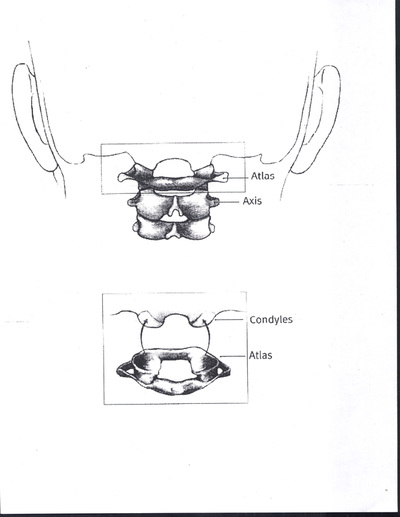
III.14 Atlas and axis, situated in head
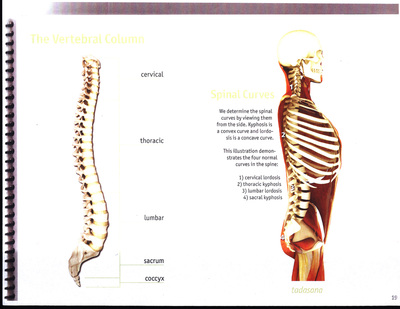
III.15 Vertebral column
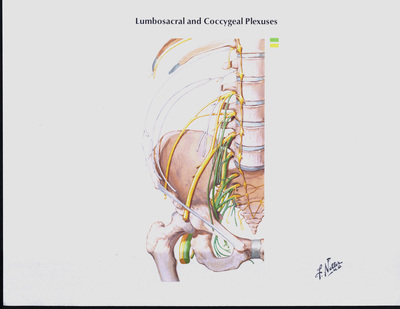
III.16 Lumbosacral and coccygeal nerve plexuses (Netter)
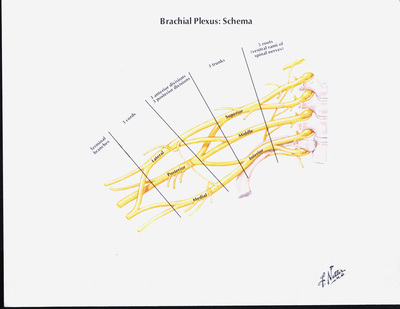
III.17 Brachial nerve plexus (Netter)
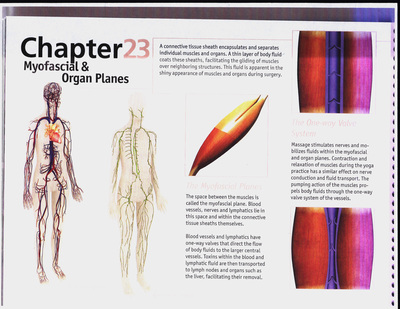
III.18 Myofascial and organ planes
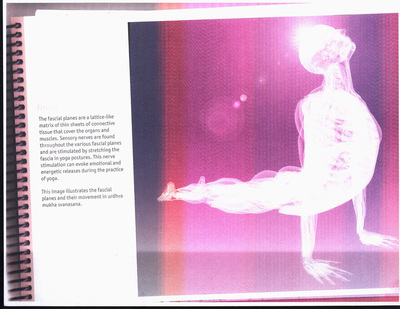
III.19 Fascia
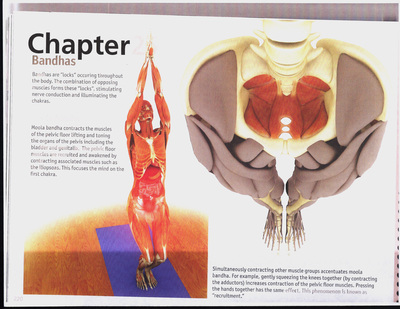
III.20 Bandhas: yoga
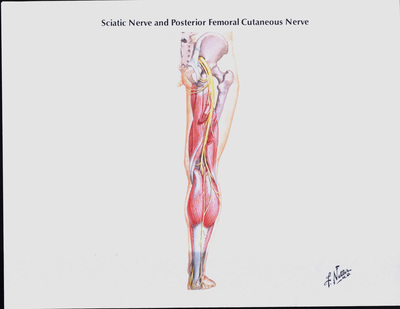
III.21 Sciatic and posterior femoral cutaneous nerves (Netter)
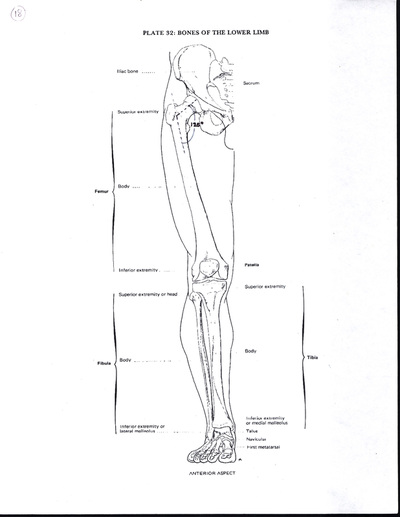
III.22 Lower limb bones
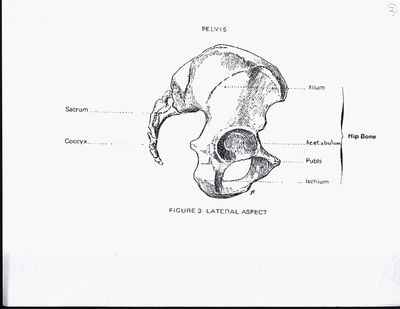
III.23 Pelvis
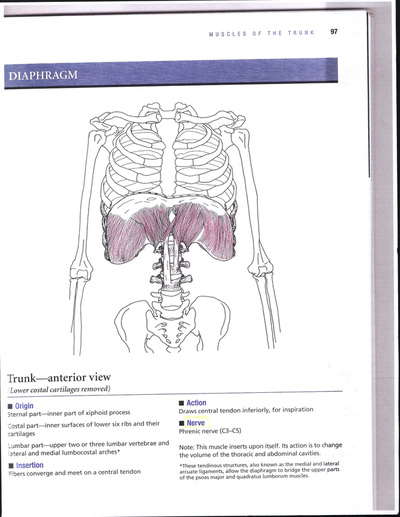
III.24 Diaphragm
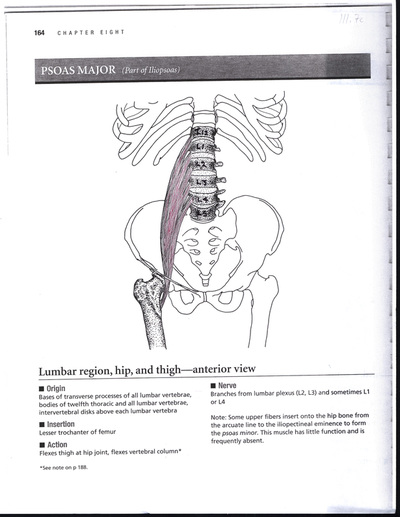
III.25 Psoas major and lumbar region
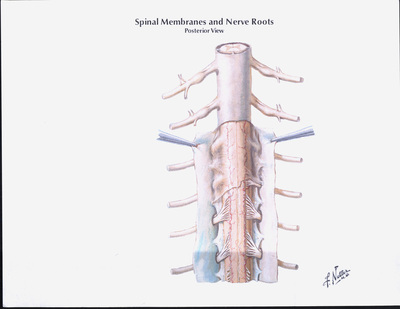
III.26 Spinal membranes and nerve roots (Netter)
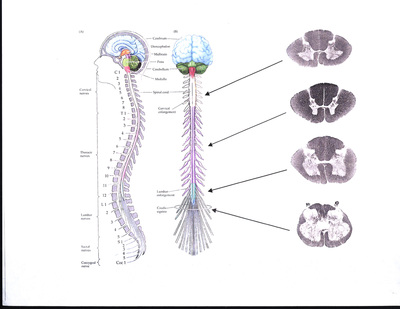
III.27 Central nervous system
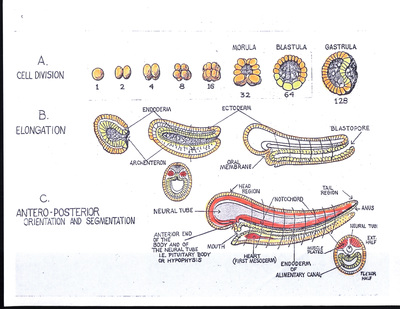
III.28 Cell division, elongation, and segmentation (Dart)
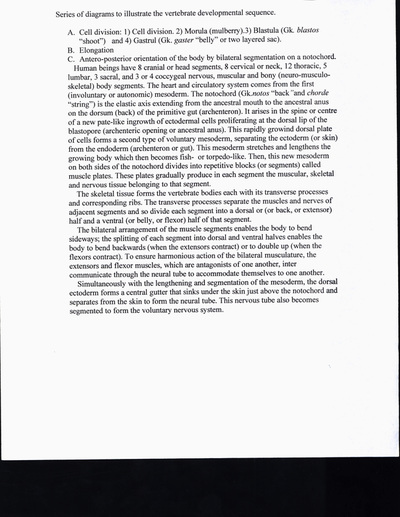
III.29 Vertebrate developmental sequence (Dart)
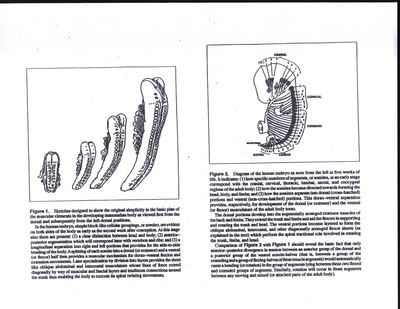
III.30 Somites and embryo segmentation, 2 and 5 weeks, (Dart)
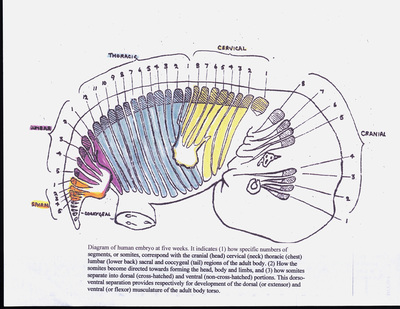
III.31 Embryo segmentation, 5 weeks (Dart)
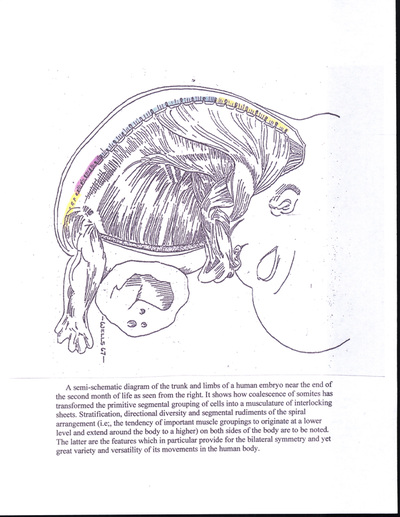
III.32 Embryo muscle development, 8 weeks (Dart)
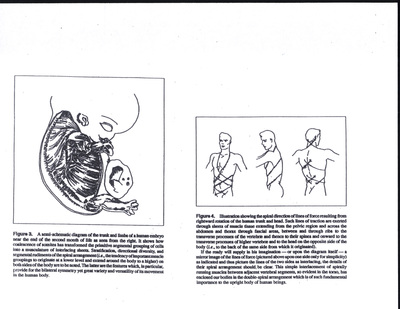
III.33 Embryo (8 weeks) and Spiral Lines of Force (Dart)
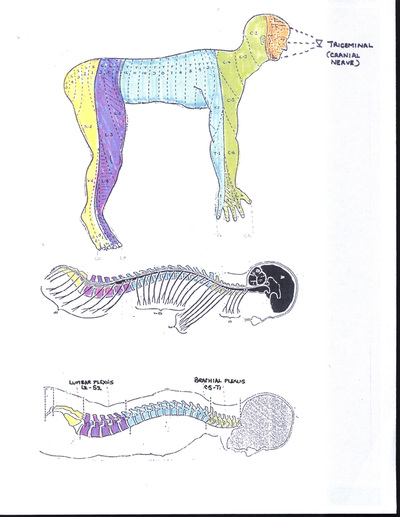
III.34 Dermatomes (quadrupedal), with CNS and skeleton (bone, nerve, skin)
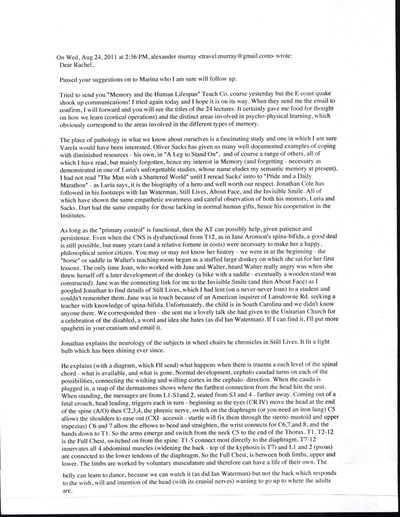
III.35 Alex Murray notes
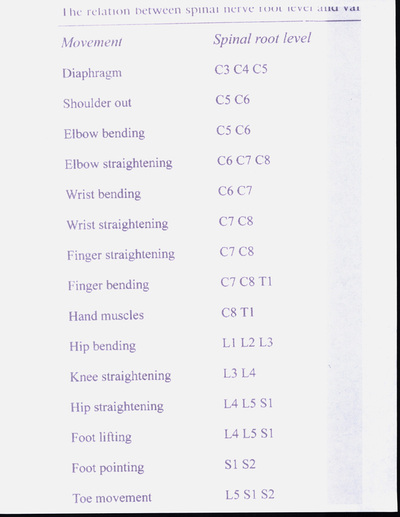
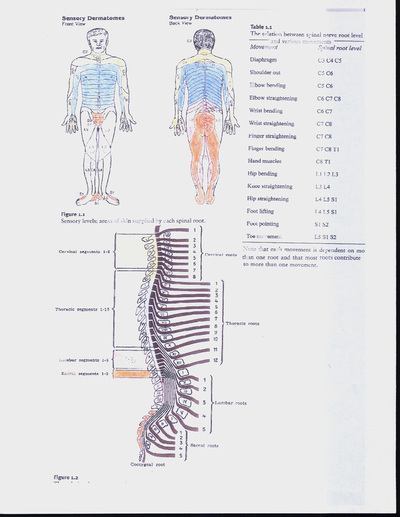
III.36 Relation between spinal nerve root and movements (Cole)
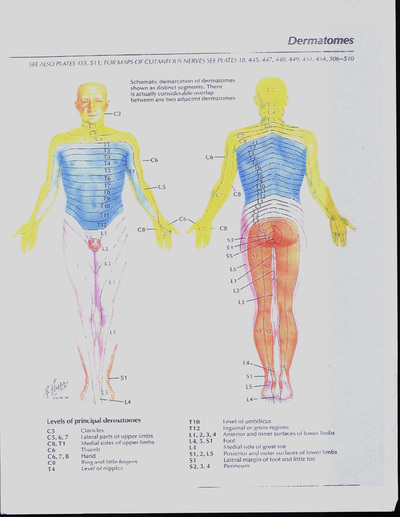
III.37 Dermatomes, full body, anterior and posterior (Netter)
III.38 Dermatomes: spinal nerve root and movement relation (Cole)
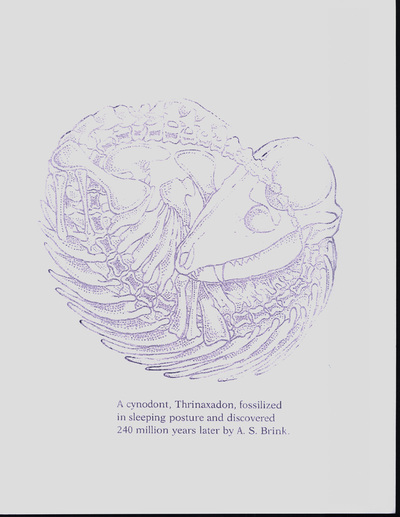
III.39 Cynodont, fetal position (Broom)
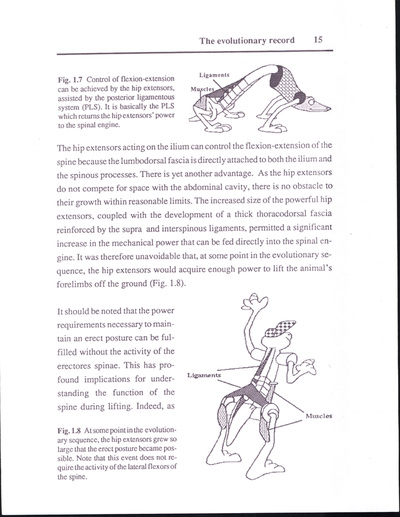
III.40 Spinal Engine Theory, hip extensors (Gracovetsky)
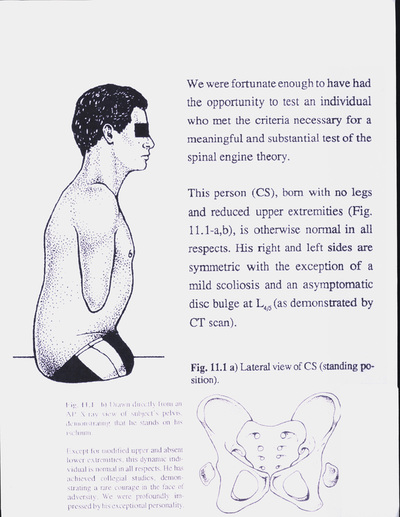
III.41 Spinal Engine Theory: thalidomide baby (Gracovetsky)
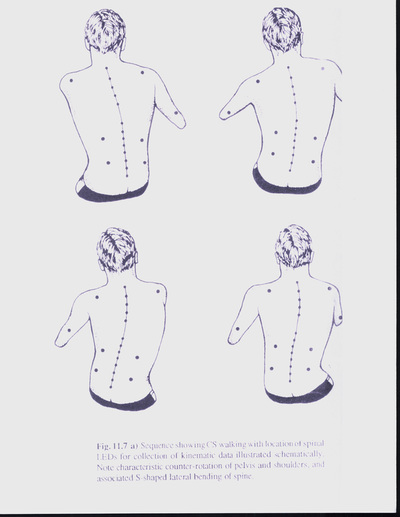
III.42 Spinal Engine Theory: counter rotation of pelvis and shoulders (Gracovetsky)
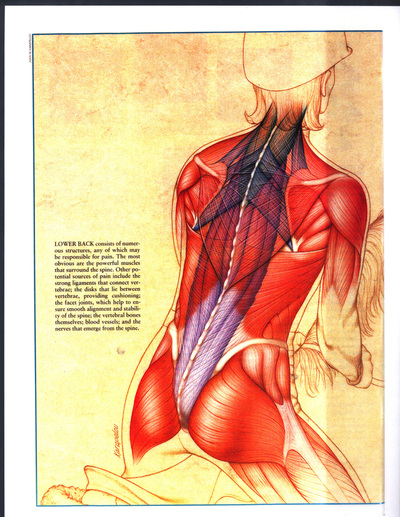
III.43 Back musculature, horseback rider
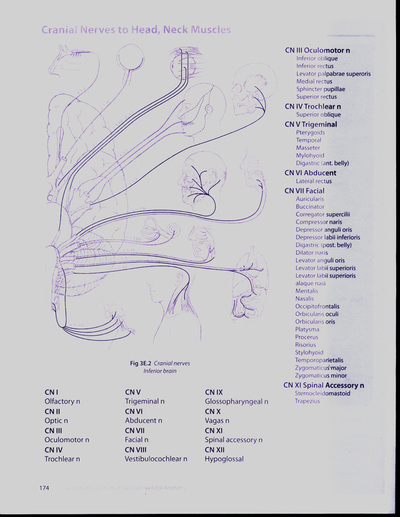
III.44 Cranial nerves, supply to head and neck muscles
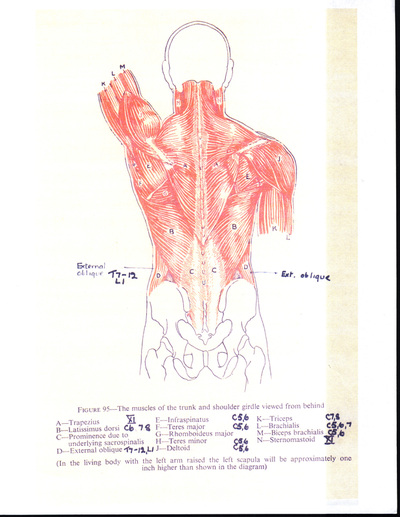
III.45 Superficial muscles of trunk and shoulder girdle (RAF)
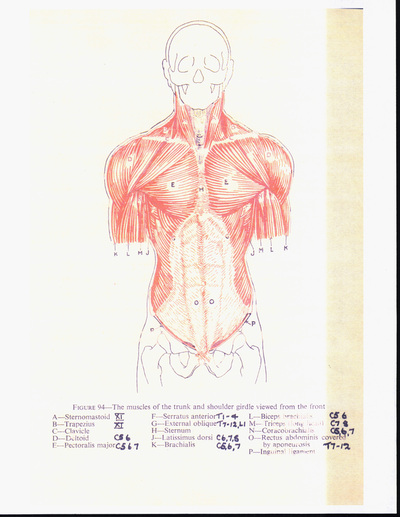
III.46 Superficial muscles of trunk and shoulder girdle (RAF)
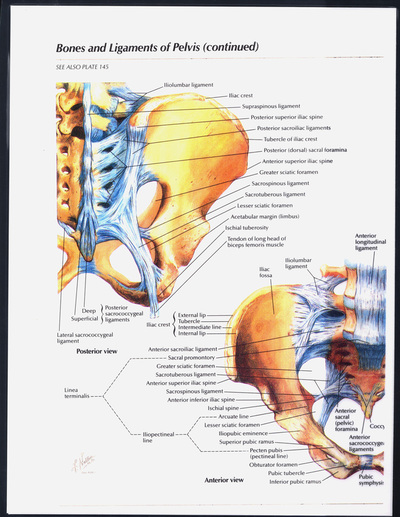
III.47 Pelvis, bones and ligaments (Netter)
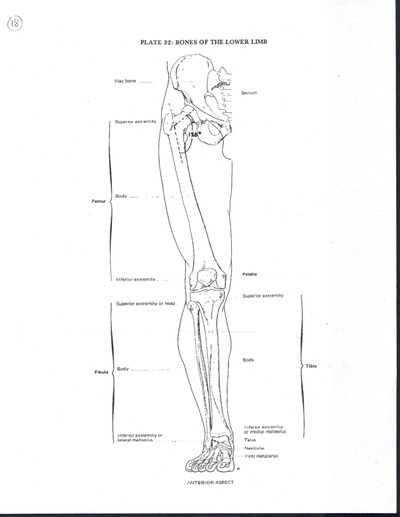
III.48 Lower limb - bones
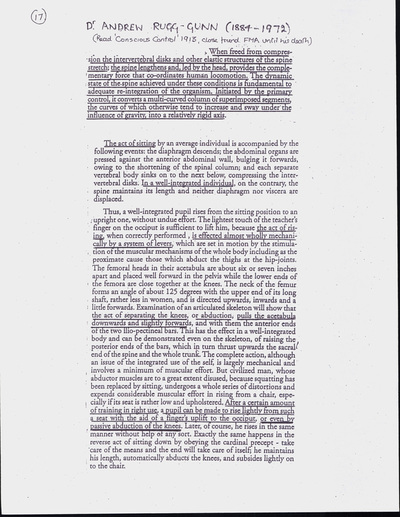
III.49 Knees forward and away (Rugg-Gunn)
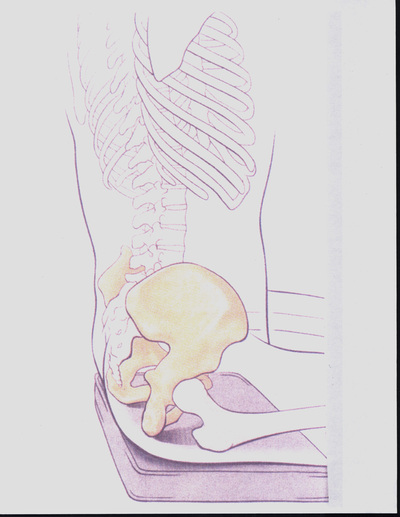
III.50 Skeleton, seated (Dimon)
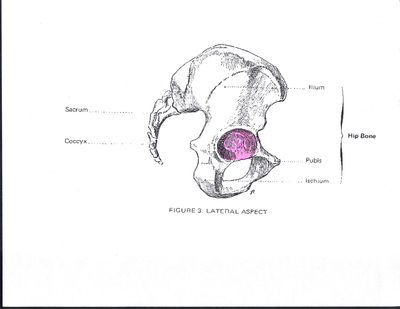
III.51 Pelvis
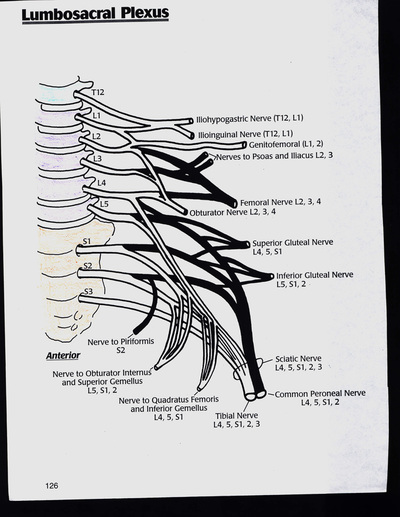
III.52 Lumbosacral nerve plexus
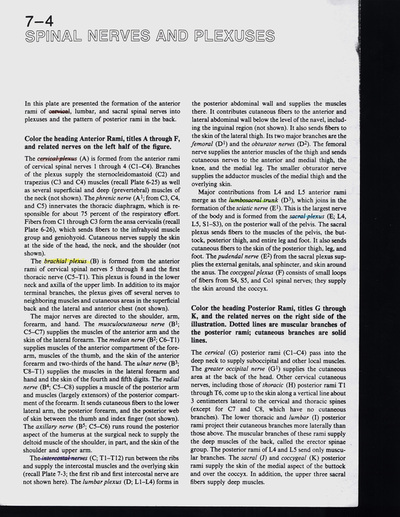
III.53 Spinal nerves and plexuses
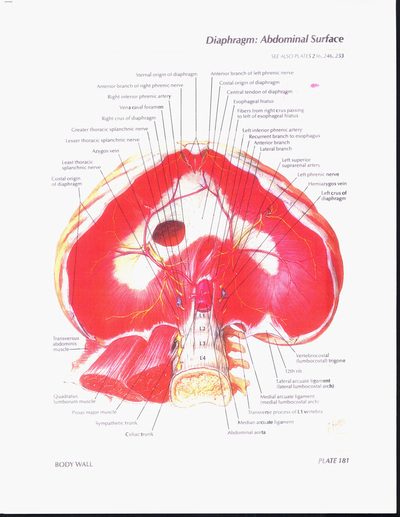
III.54 Diaphragm, abdominal surface (Netter)
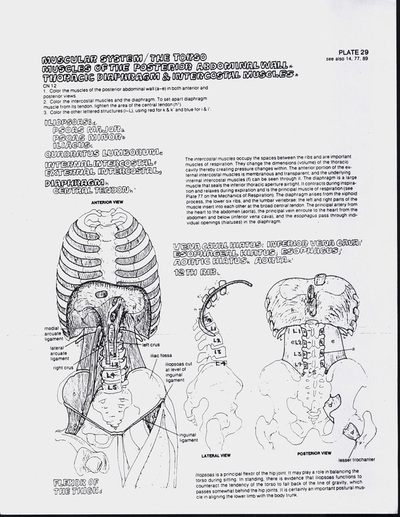
III.55 Hip and torso muscular system
III.56 Psoas and Iliacus, with posterior abdominal wall (RAF)
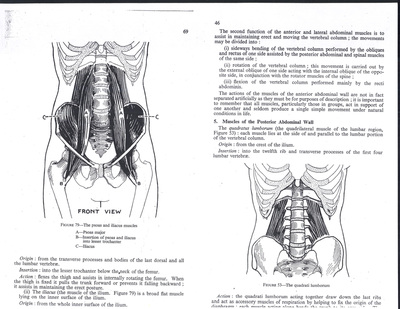
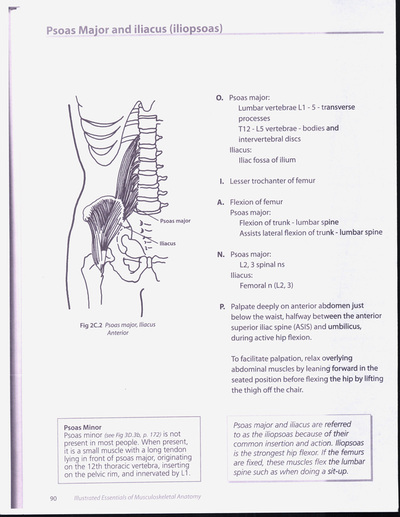
III.57 Psoas major and iliacus
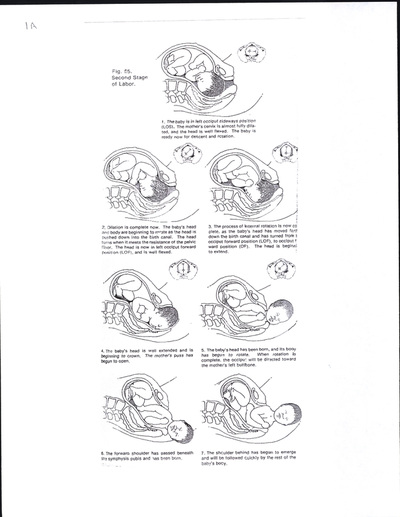
III.58 Labor, second stage
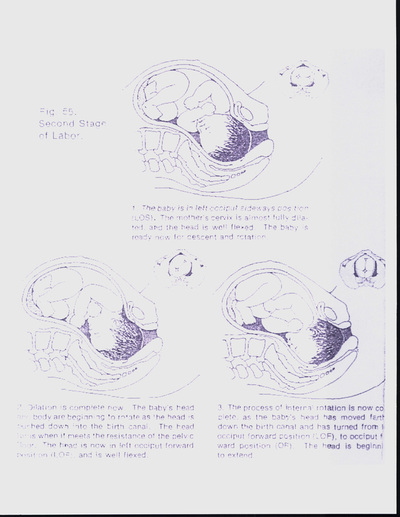
III.59 Second stage labor, first substages
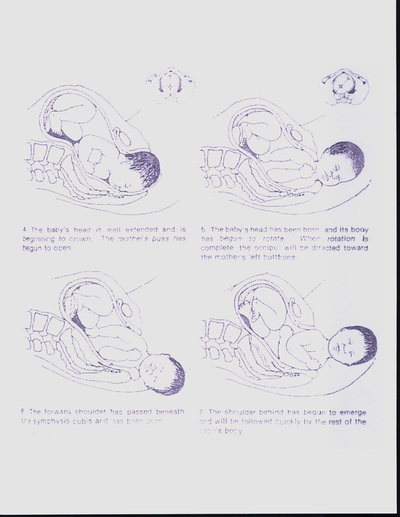
III.60 Second stage labor, second substages
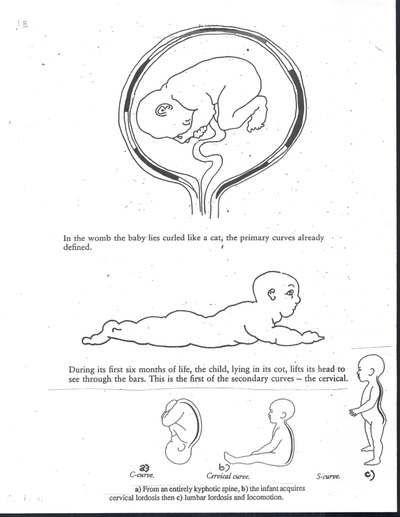
III.61 Infant, fetal to standing, with development of spinal curves
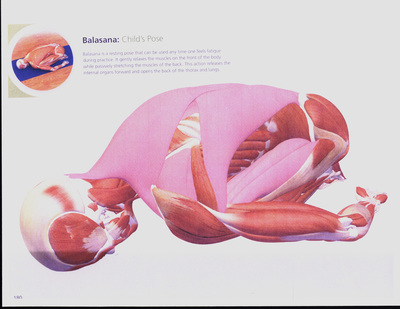
III.62 Balasana: Child’s Pose
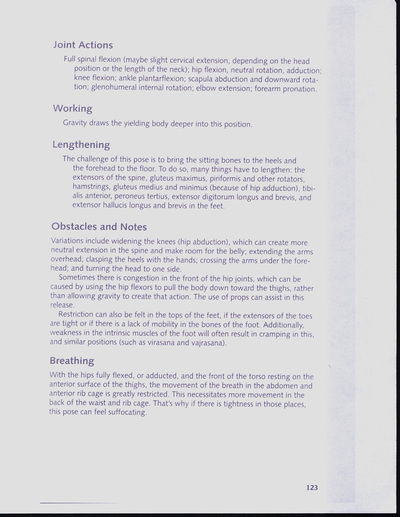
III.63 Balasana discussion
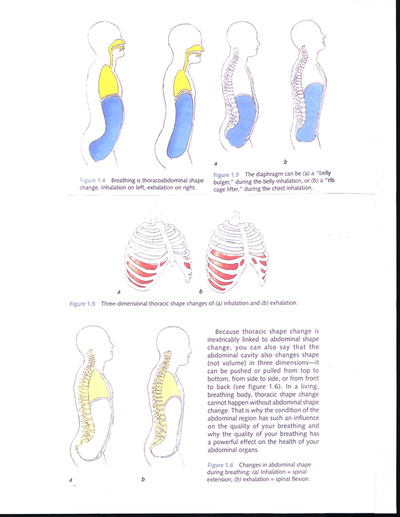
III.64 Effect of thoracic shape on breathing
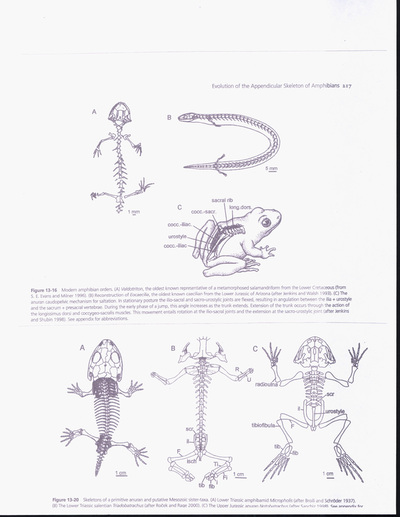
III.65 Amphibian skeletal evolution
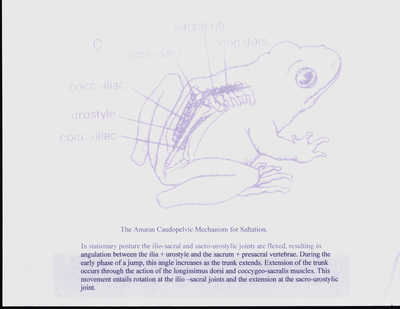
III.66 Frog jumping
III.67 Fetal position, adult
III.68 Fetal position, adult
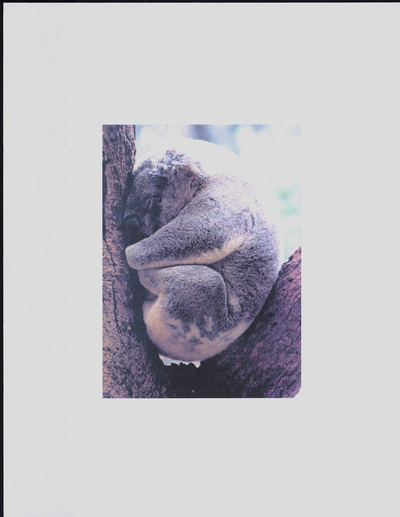
III.69 Fetal position, koala
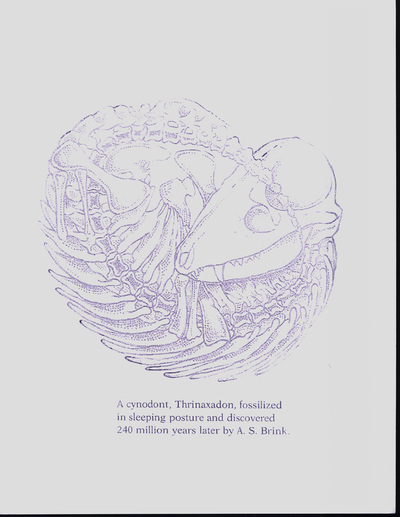
III.70 Fetal position, cynodont (Broom)
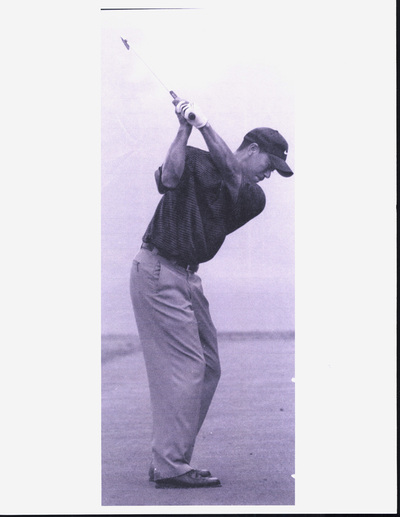
III.71 Golf swing
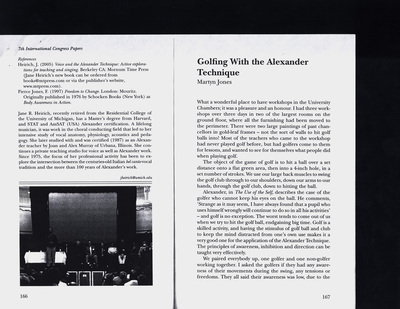
III.72 Golfing with the Alexander Technique p1 (M. Jones)
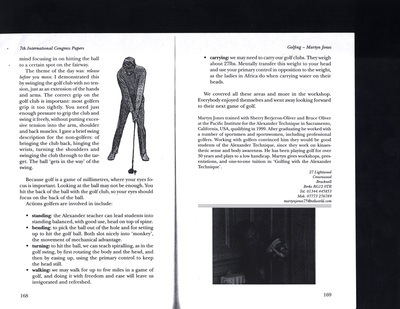
III.73 Golfing with the Alexander Technique p2 (M. Jones)
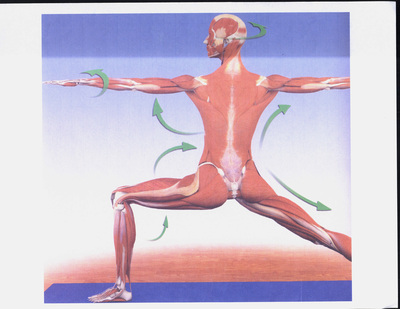
III.74 Yoga pose
Powered by Create your own unique website with customizable templates.