atanatomy.weebly.com

Book II: Child Development

Home

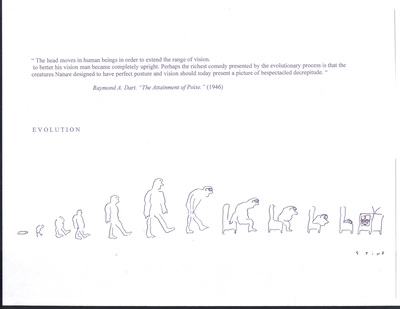
Book II presents child development, from birth to age 3, relying heavily on Myrtle McGraw's studies of Johnny and Jimmy. This process, which Raymond Dart argues is usually lost in the adult's “bespectacled decrepitude,” is revisited with the Alexander Technique. Also presented is the neuro-muscular-skeletal system, particularly the spinal and cranial nerves, as they are the underpinnings of this developmental process, and attempts later in life to relearn it.

View Book II as Slide Show

II.1 Introductory notes (Murray)
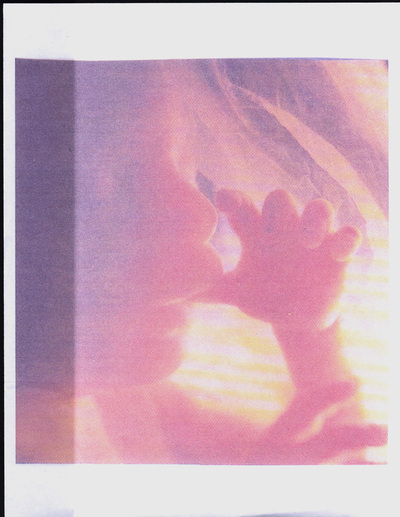
II.2 Fetal thumb sucking
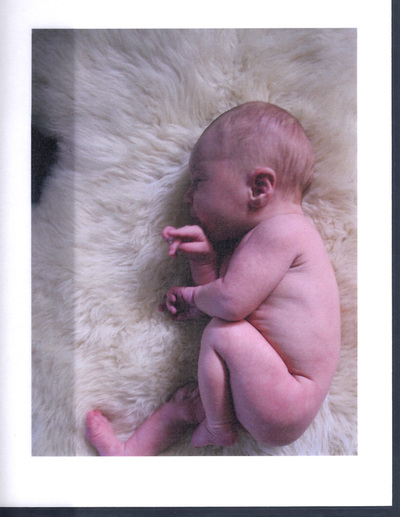
II.3 Fetal position (infant)
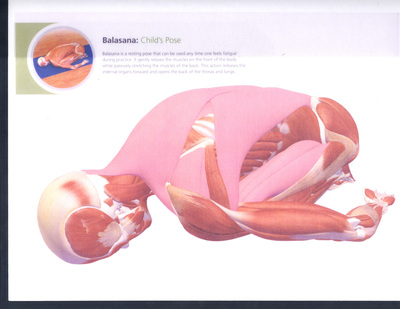
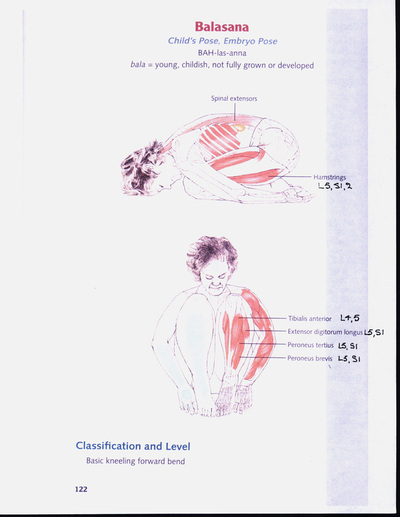
II.4 Fetal position (adult)
II.5 Fetal position (adult)
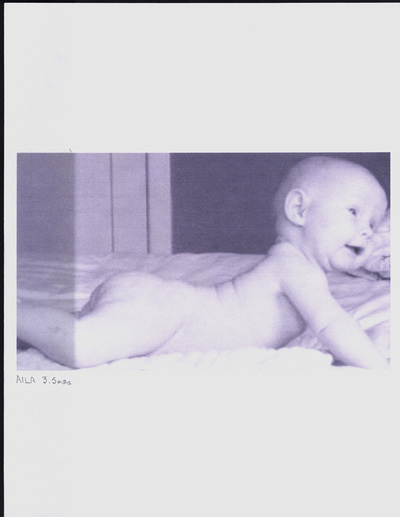
II.6 Infant, extension, 3.5 months
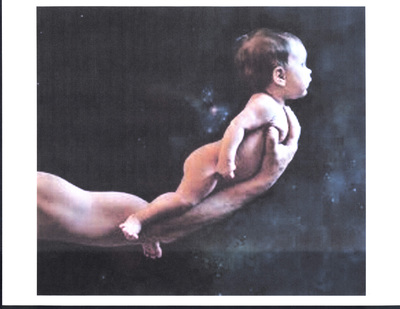
II.7 Infant, extension, aided
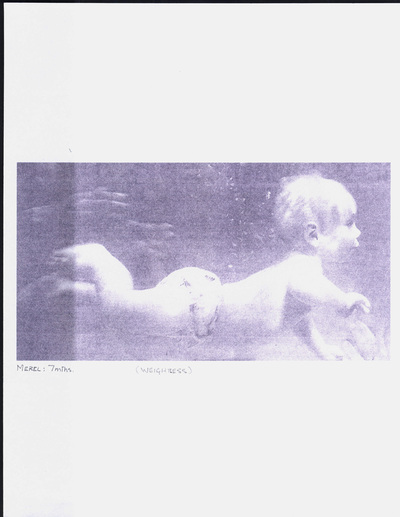
II.8 Infant, underwater
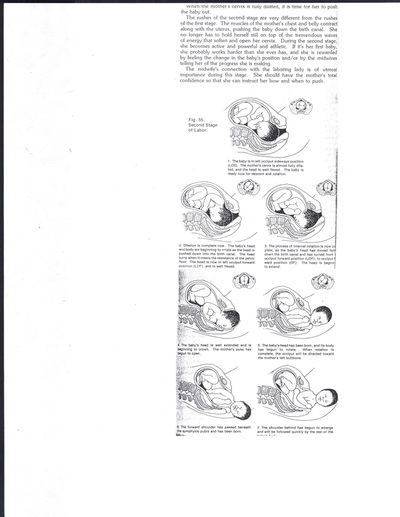
II.9 Birth spiral
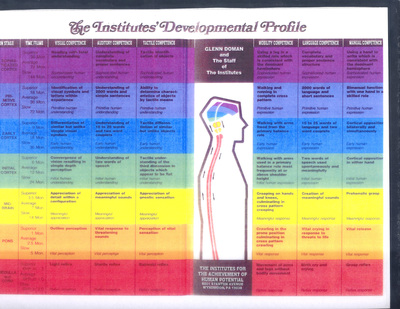
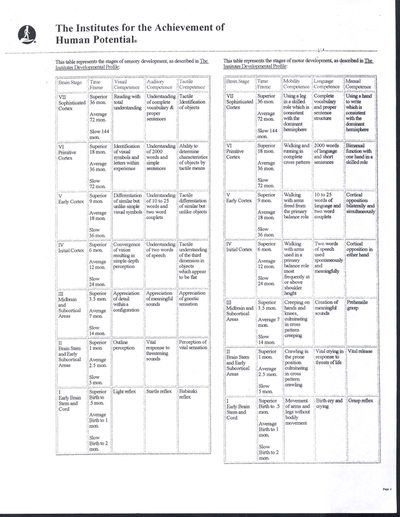
II.10 Developmental Profile, from Institute for the Advancement of Human Potential (IAHP)
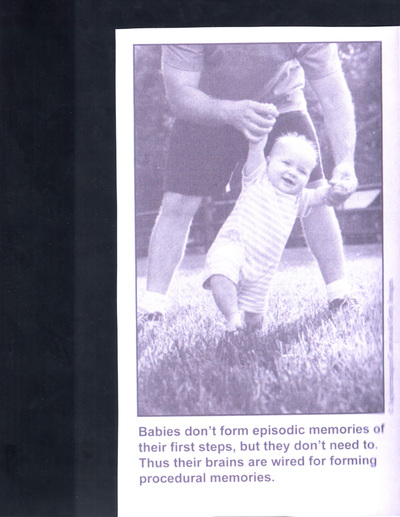
II.11 Infant walking, aided
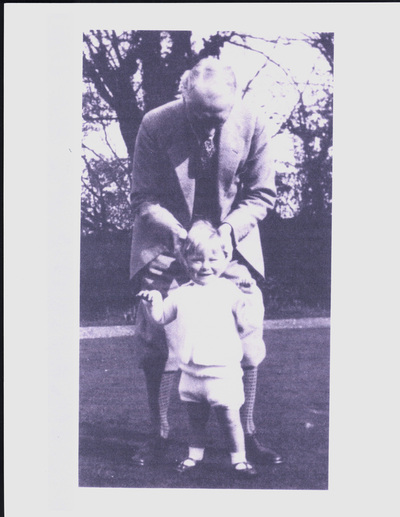
II.12 Infant walking, aided by F.M. Alexander
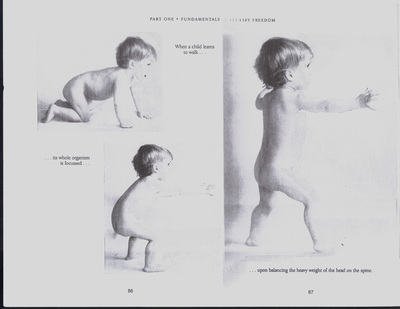
II.13 Child crawling, standing, walking
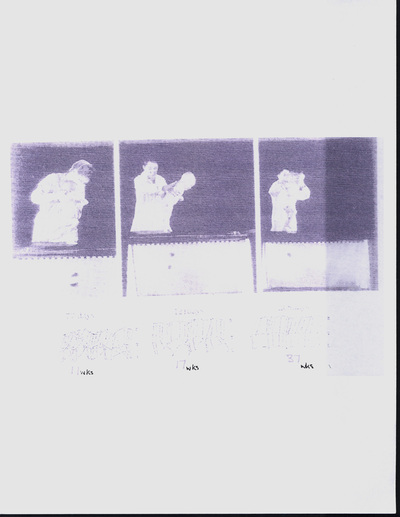
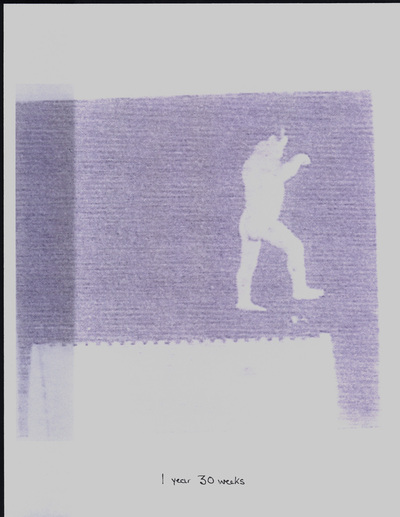
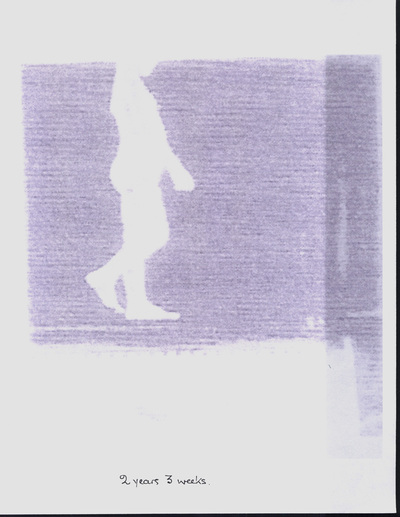
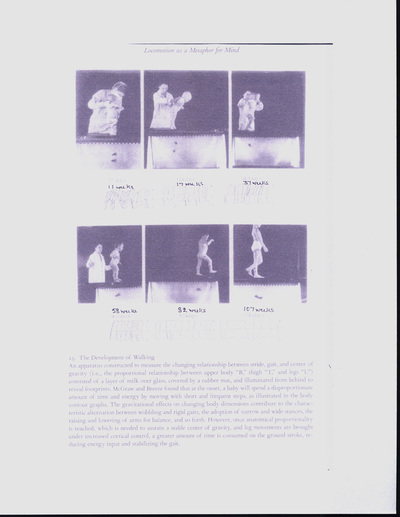
II.14 Walking development, 11-37 weeks (McGraw)
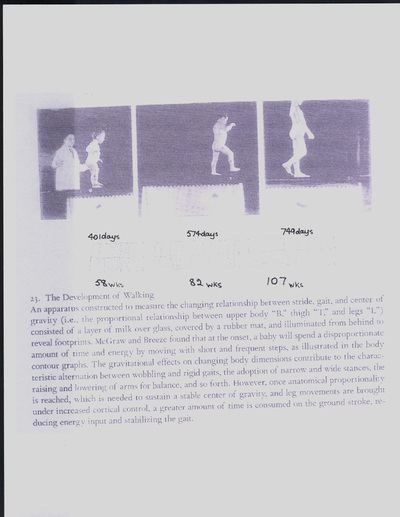
II.15 Walking development, 58-107 weeks (McGraw)
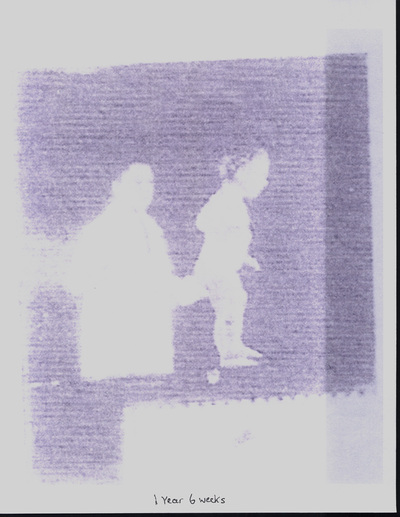
II.16 Walking development, 58 weeks (McGraw)
II.17 Walking development, 82 weeks (McGraw)
II.18 Walking development, 107 weeks (McGraw)
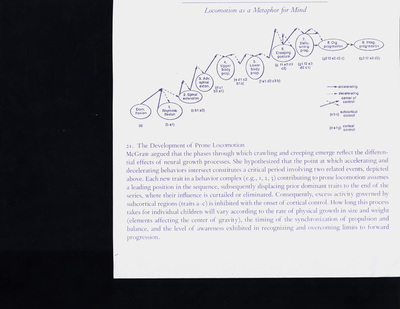
II.19 Prone locomotion development
II.20 IAHP Sensory Development, from IAHP Developmental Profile
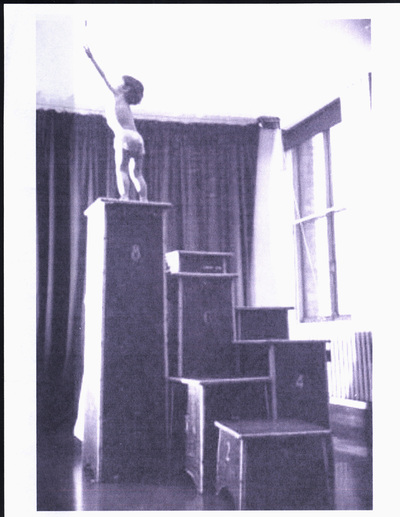
II.21 Johnny, on boxes (McGraw)
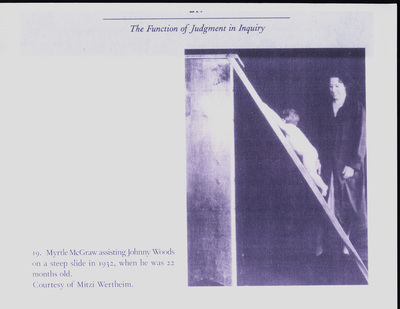
II.22 Johnny on steep slide (McGraw)
II.23 Walking development, 11-107 weeks (McGraw)
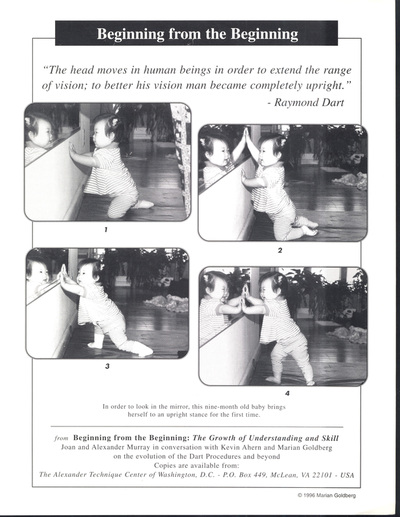
II.24 Baby looking, (Goldberg, Ahern, Murray)
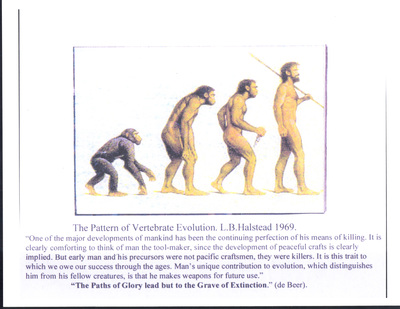
II.25 Vertebrate pattern of evolution (Halstead)
II.26 Evolution and The Attainment of Poise (Dart)
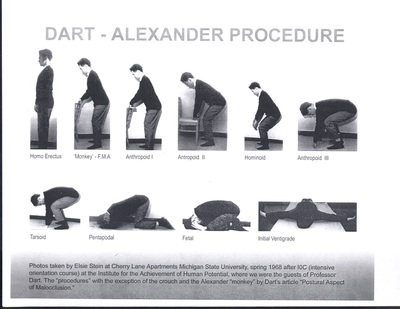
II.27 Dart-Alexander Procedure (Murray)
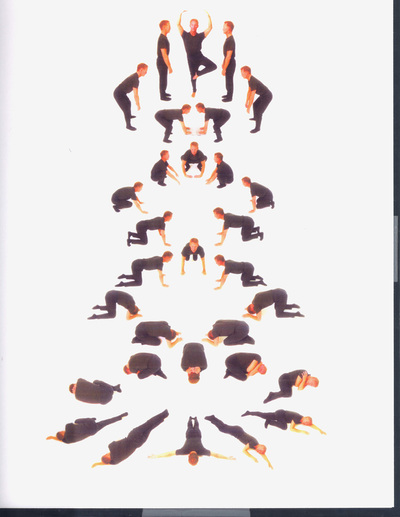
II.28 Dart Procedure, fetal upwards (Johnston)
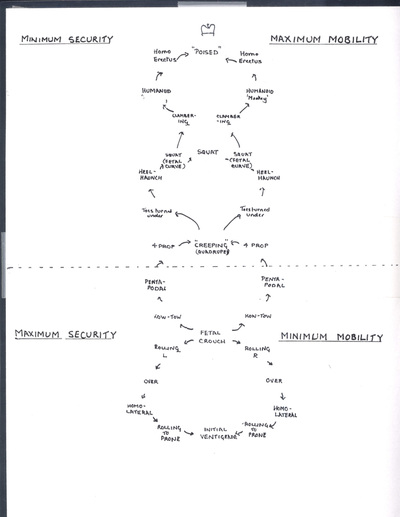
II.29 Dart Procedure: fetal upwards, mobility vs security
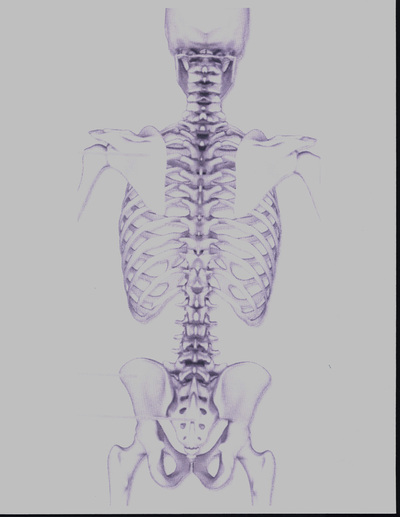
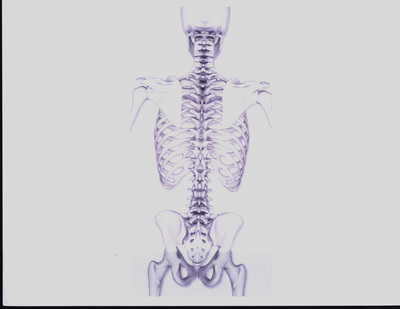
II.30 Skeleton of head, neck, and back: posterior view
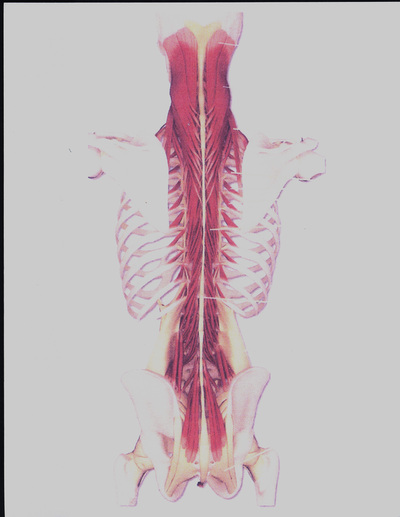
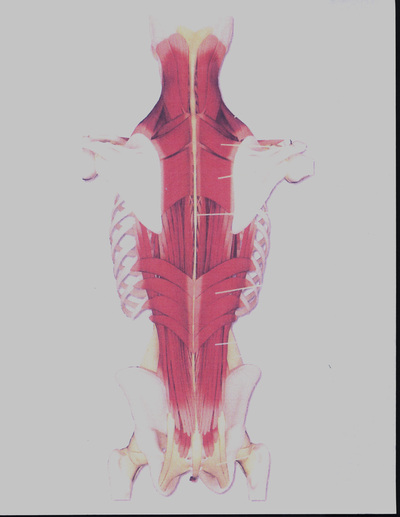
II.31 Back musculature, interspinal (layer 1, deepest layer)
II.32 Back musculature, longissimus (layer 2)
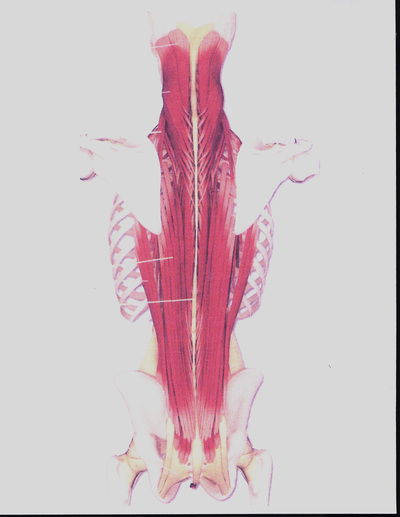
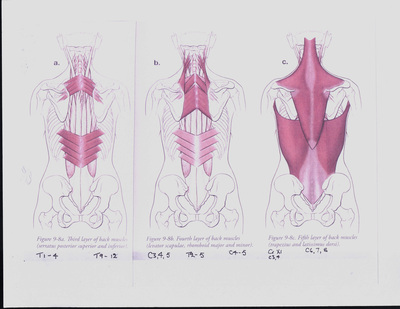
II.33 Back musculature (layers 3 and 4)
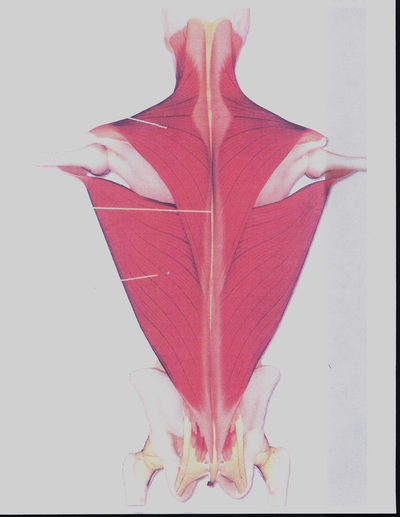
II.34 Back musculature, trapezius and latissimus (layer 5)
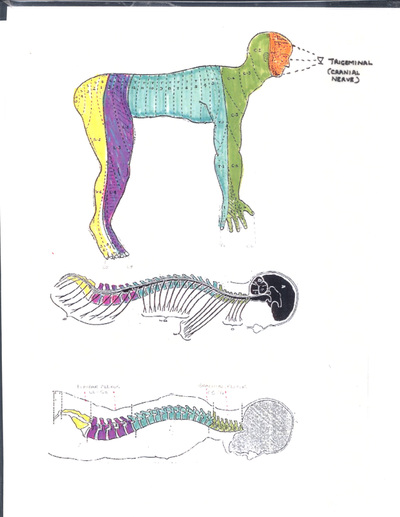
II.35 Dermatomes (quadrupedal), with CNS and skeleton (bone, nerve, skin)
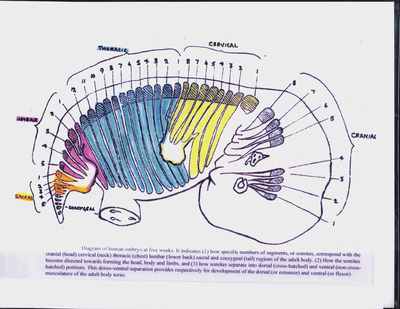
II.36 Embryo segmentation, 5 weeks (Dart)
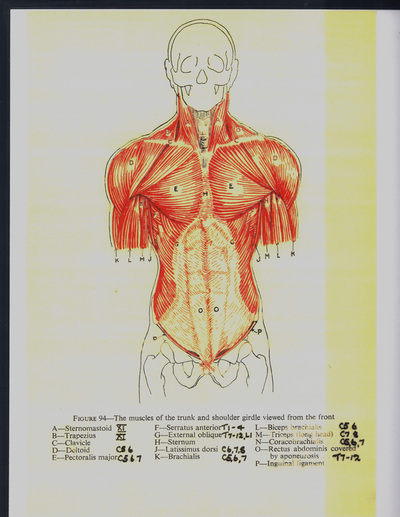
II.37 Superficial muscles of trunk and shoulder girdle: front view (RAF)
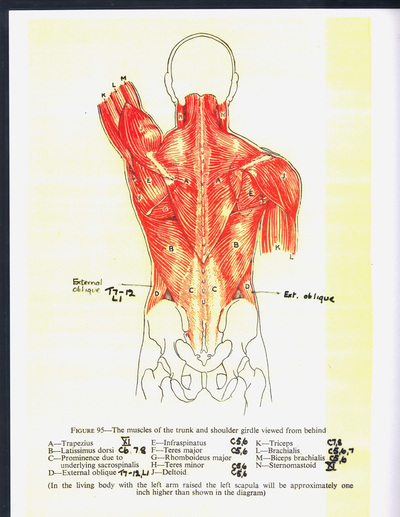
II.38 Superficial muscles of trunk and shoulder girdle: back view (RAF)
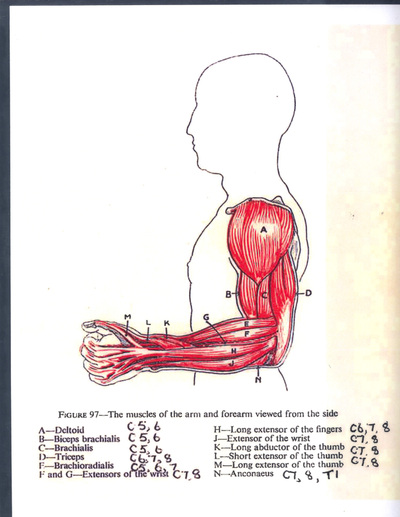
II.39 Arm and forearm muscles: side view (RAF)
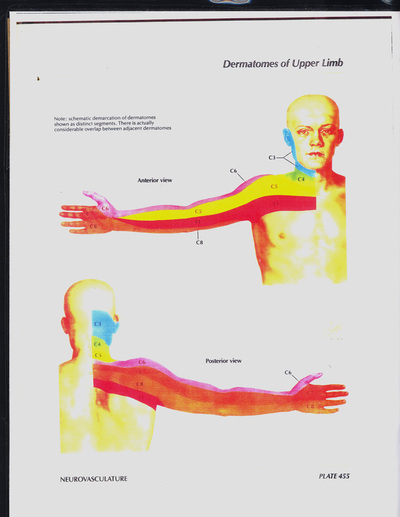
II.40 Dermatomes, upper limb (Netter)
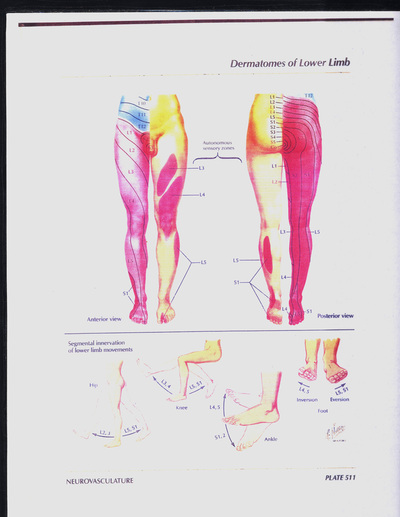
II.41 Dermatomes and movements of lower limbs (Netter)
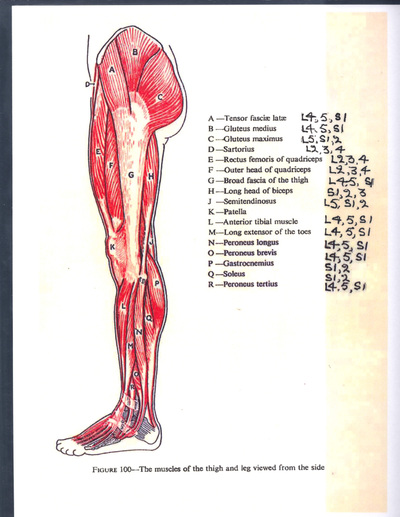
II.42 Thigh and leg muscles: side view (RAF)
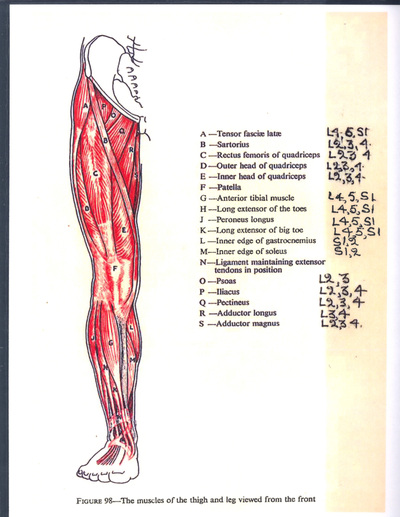
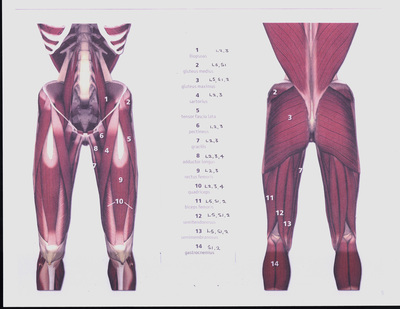
II.43 Thigh and leg muscles: front view (RAF)
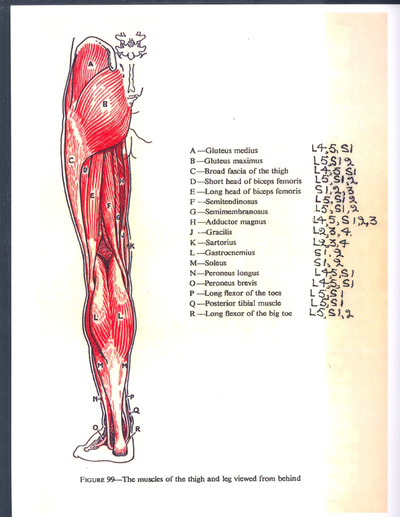
II.44 Thigh and leg muscles: back view (RAF)
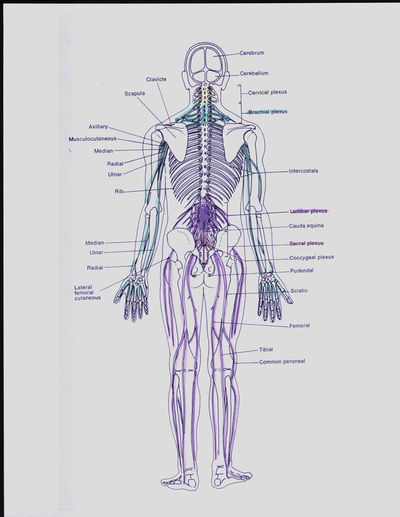
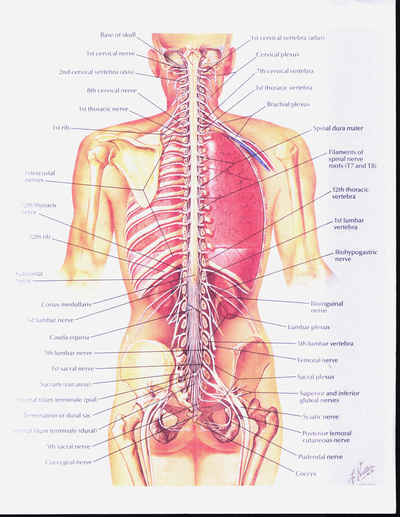
II.45 Central nervous system: spinal nerves plexuses
II.46 Back musculature: layers 3, 4, and 5 (Dimon)
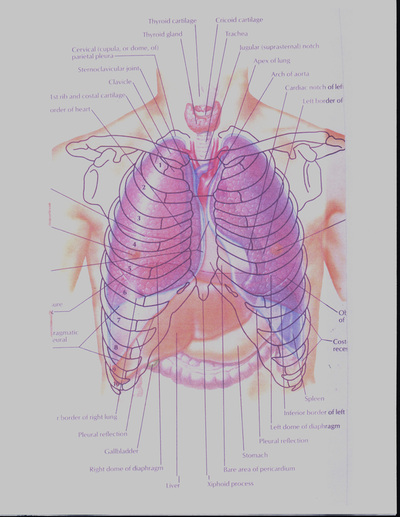
II.47 Lungs: front view
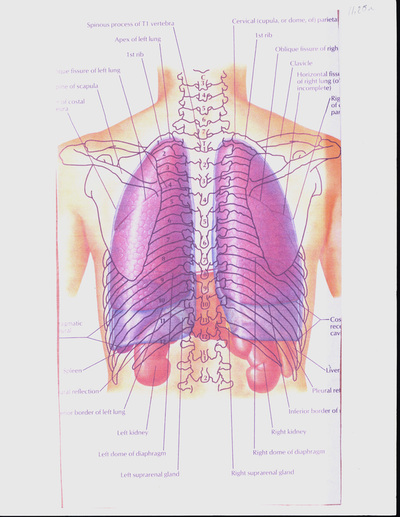
II.48 Lungs: back view
II.49 CNS and nerve plexuses (Netter)
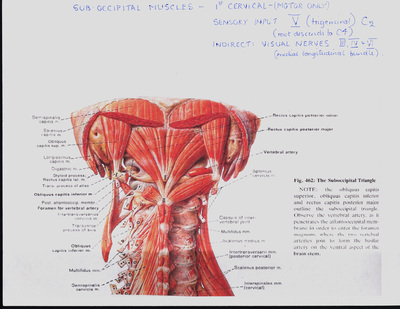
II.50 Suboccipital muscles (Netter)
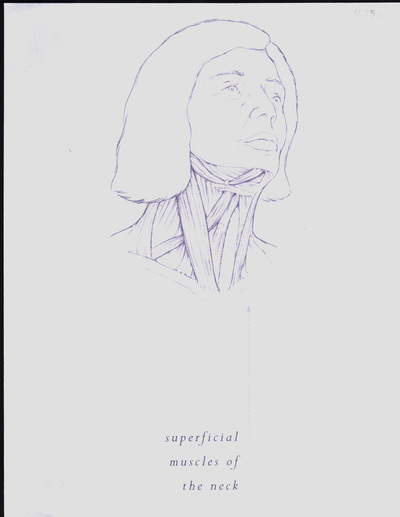
II.51 Muscles of the neck (superficial)
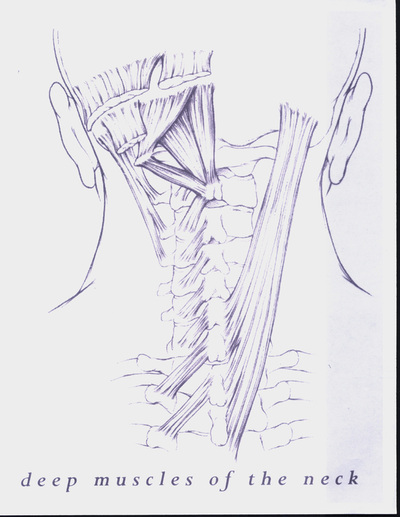
II.52 Muscles of the neck (deep)
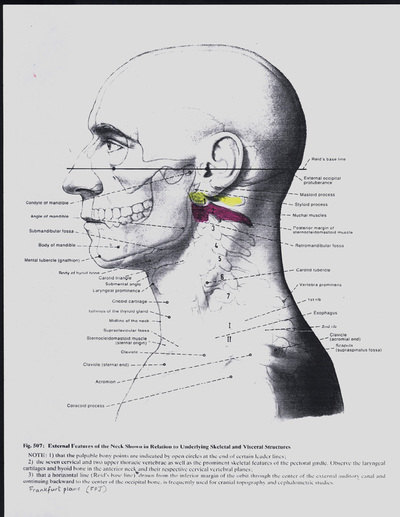
II.53 Neck, external features in relation to underlying structures
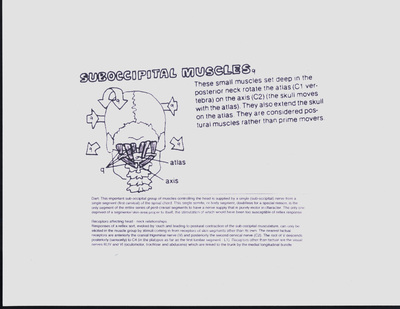
II.54 Suboccipital muscles
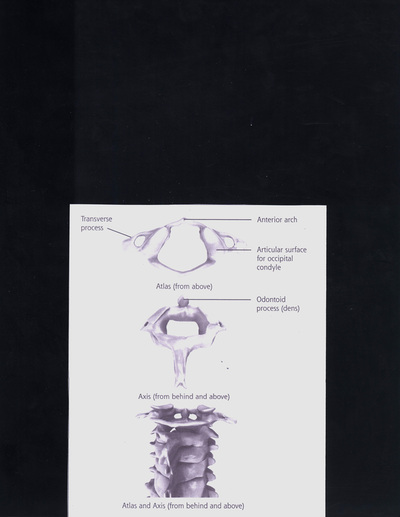
II.55 Atlas and axis (Dimon)
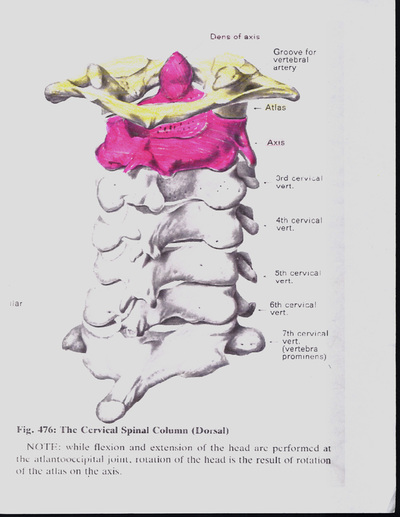
II.56 Cervical spinal column
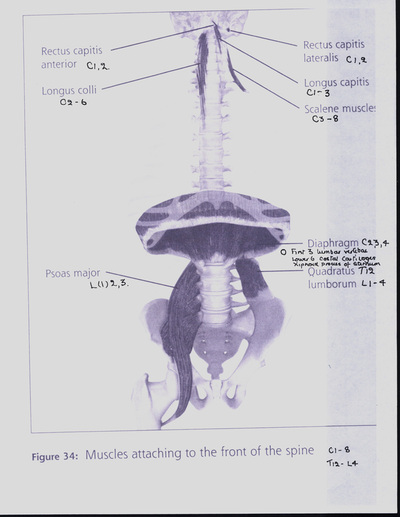
II.57 Muscles attaching front of spine
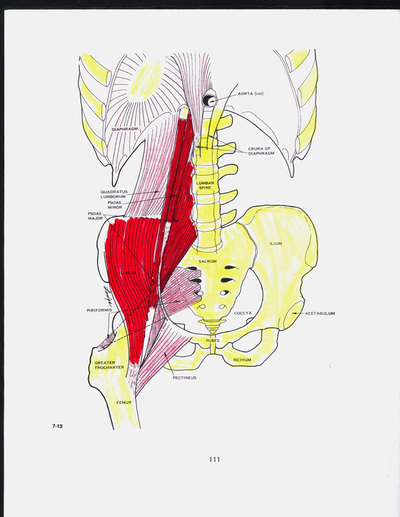
II.58 Hip and torso muscular system
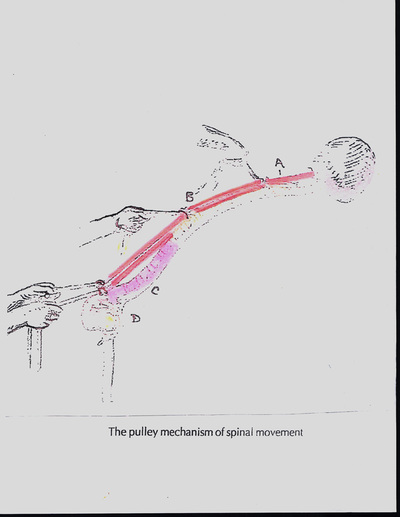
II.59 Spinal movement, pulley mechanism (Grundy)
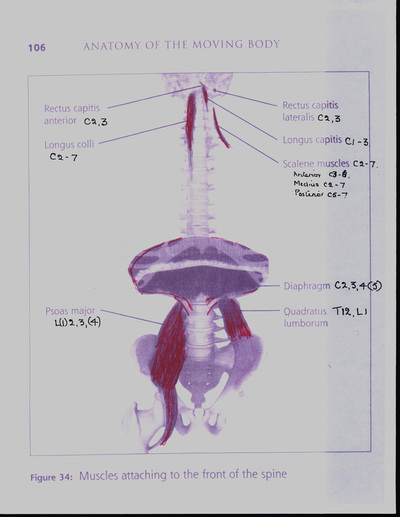
II.60 Muscles attaching front of spine (Dimon)
II.61 Skeleton of head, neck, and back: posterior view
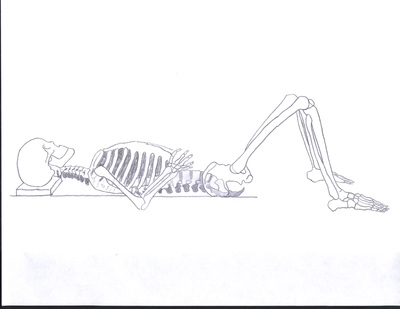
II.62 Skeleton: semi-supine
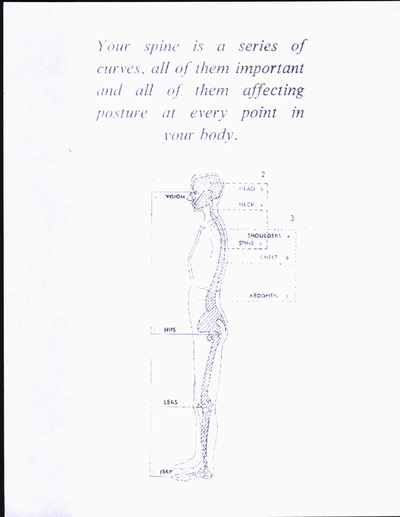
II.63 Spinal curves
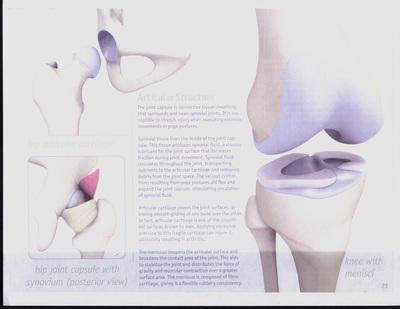
II.64 Hip and knee joint structure
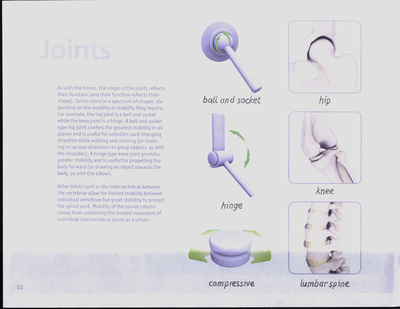
II.65 Joints
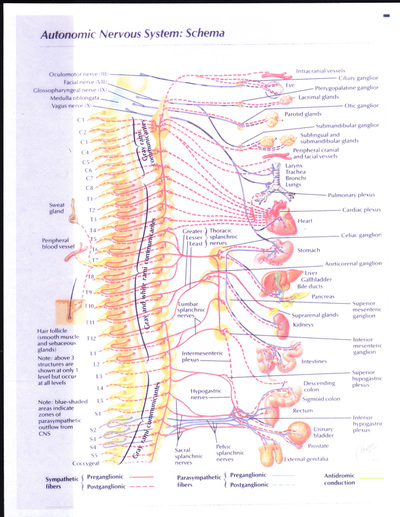
II.66 Autonomic nervous system
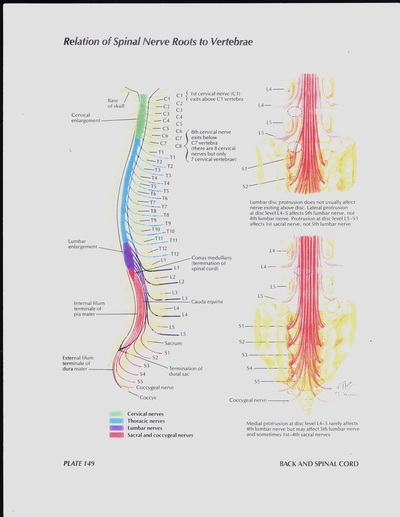
II.67 Nerves: spinal nerve roots and relation to vertebrae (Netter)
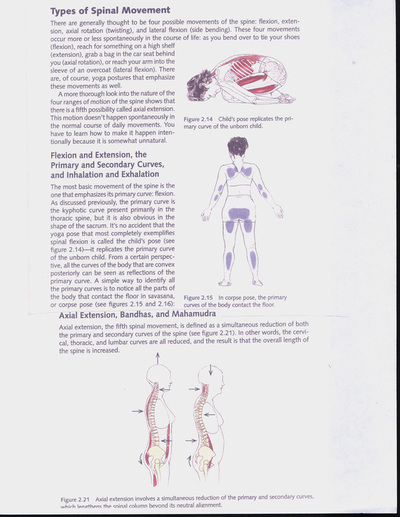
II.68 Types of spinal movement
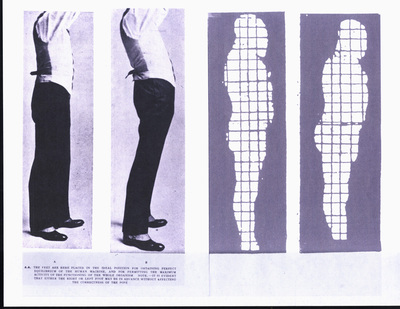
II.69 Back: F.M. Alexander (Man's Supreme Inheritance)
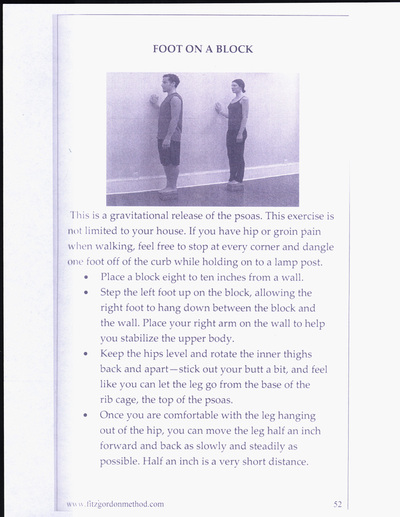
II.70 Release of psoas
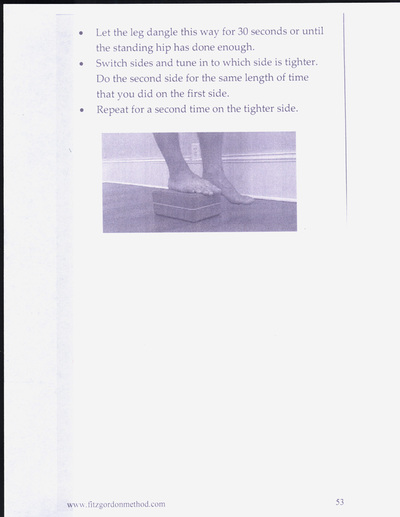
II.71 Release of psoas
II.72 Leg musculature
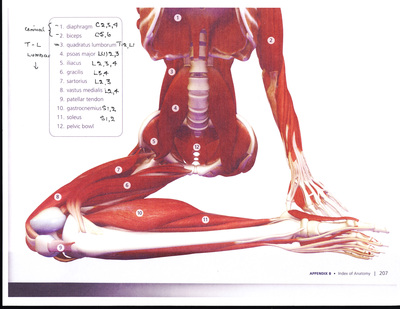
II.73 Torso and leg musculature
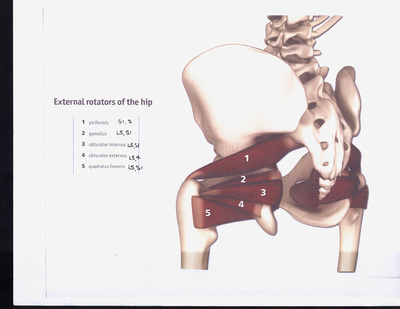
II.74 Hip musculature: external rotators
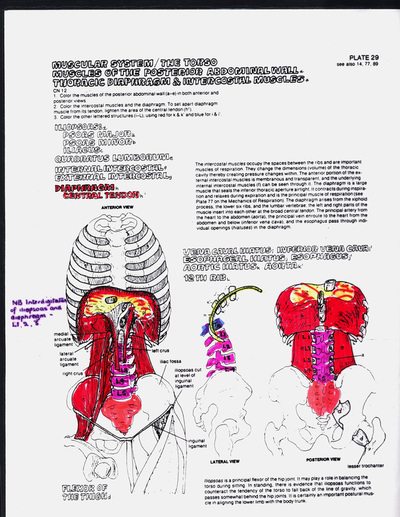
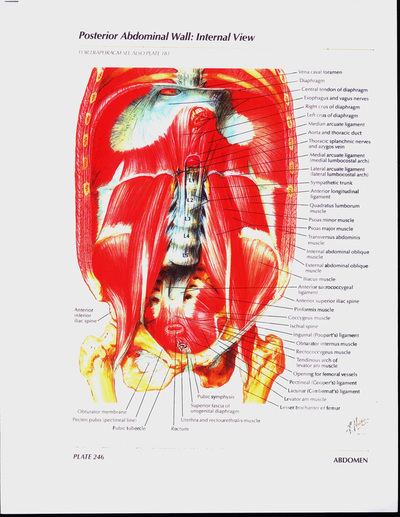
II.75 Abdominal wall: posterior view (Netter)
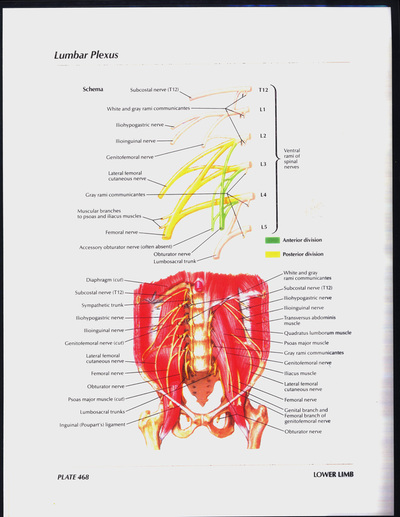
II.76 Lumbar nerve plexus (Netter)
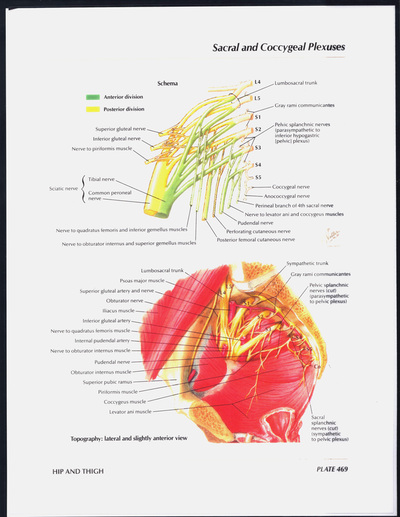
II.77 Sacral and coccygeal nerve plexuses (Netter)
II.78 Muscles attaching front of spine (Dimon)
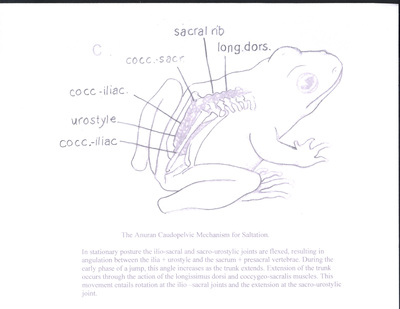
II.79 Frog saltation
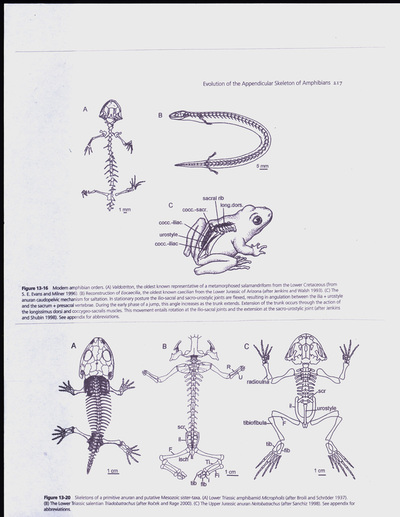
II.80 Amphibian skeletal evolution
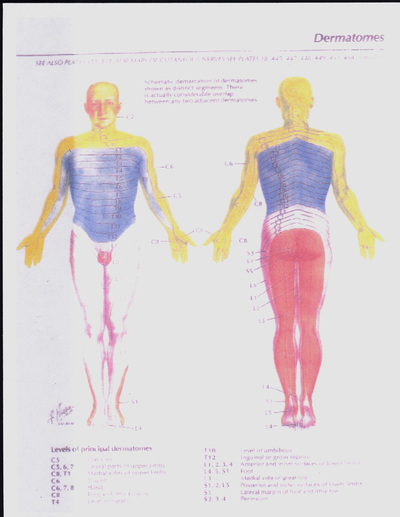
II.81 Dermatomes, full body, anterior and posterior (Netter)
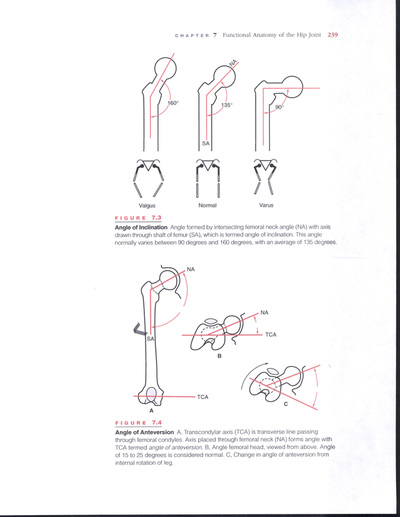
II.82 Femur angles
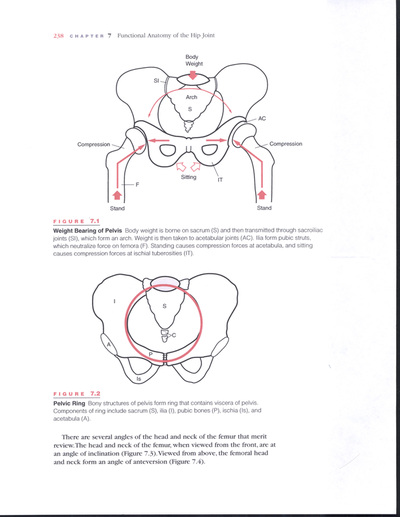
II.83 Pelvis, angles and weight bearing
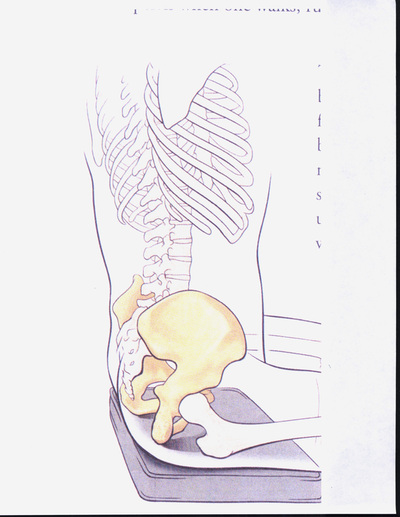
II.84 Hip: seated (Dimon)
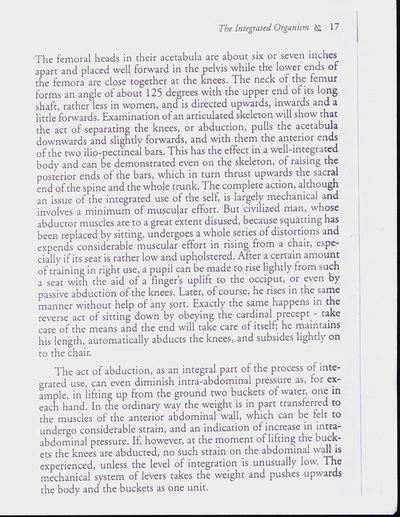
II.85 Knees forward and away, excerpt (Rugg-Gunn)
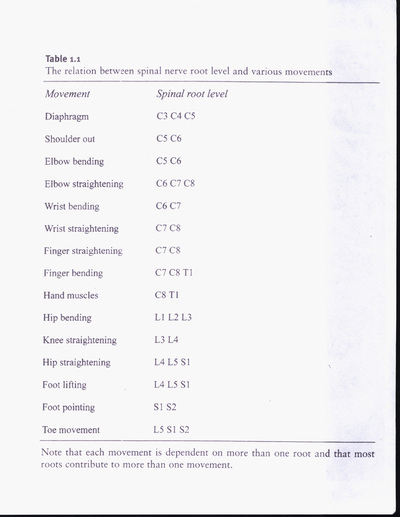
II.86 Relation between spinal nerve root and movement (Cole)
Powered by Create your own unique website with customizable templates.